LF logo
by learnformula
search
Log in
search
Courses/Audit & Assurance/Fraud

The Dark Triad and Fraud: Behavioural Red Flags Before Financial Misconduct

Unmask corporate offenders by learning to detect Machiavellian, narcissistic, and psychopathic personality traits before financial devastation occurs.
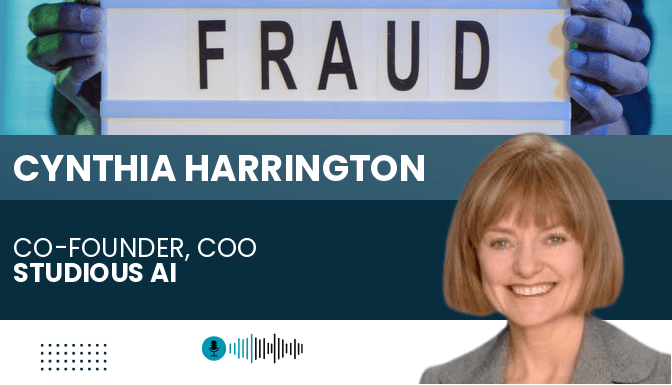
Created byCynthia Harrington
BeginnerUpdated Sep 21, 2026
The Dark Triad and Fraud: Behavioural Red Flags Before Financial Misconduct

What You'll Learn

check_circleUnderstand how Dark Triad personality traits can influence fraud risk and organisational misconduct
check_circleIdentify behavioural red flags that may signal increased likelihood of unethical or fraudulent activity
check_circleEvaluate how leadership behaviour and organisational culture affect governance and fraud detection
check_circleApply a behavioural risk lens alongside traditional controls to strengthen fraud prevention strategies

About This Course

Fraud rarely begins with the numbers—it often begins with behaviour. Before financial anomalies appear in reports, underlying personality traits and organisational dynamics can already be shaping the conditions that allow misconduct to occur. Dark Triad traits—narcissism, Machiavellianism, and psychopathy—are increasingly recognised as behavioural risk indicators that influence decision-making, manipulation, and ethical boundaries within organisations.

This session explores fraud risk through a behavioural finance and forensic perspective, focusing on how personality, incentives, and workplace culture interact to create environments where fraud can emerge and persist. Participants will gain insight into how leadership behaviour, interpersonal dynamics, and organisational pressures influence governance quality, whistleblowing, and early fraud detection—providing a deeper lens for identifying risk before it becomes financial loss.

Key Topics Discussed:

  • Behavioural drivers of fraud beyond financial controls and audit signals
  • Overview of Dark Triad traits: narcissism, Machiavellianism, and psychopathy
  • How personality traits influence ethical decision-making and rationalisation of fraud
  • Leadership behaviours and their impact on organisational risk culture
  • Manipulation, influence, and exploitation of weak control environments
  • Incentive structures and pressure points that increase fraud risk
  • Cultural factors affecting whistleblowing and internal reporting
  • Early behavioural warning signs of potential misconduct
  • Interaction between governance frameworks and human behaviour
  • Limitations of purely transactional or control-based fraud detection
  • Forensic and behavioural finance approaches to fraud prevention
  • Case-based insights into behavioural red flags preceding financial misconduct

Your Instructor

Cynthia Harrington
Cynthia Harrington

Consultant, Sagespring Associates LLC

menu_book1 courses

Cynthia Harrington is a finance and behavioral science professional with extensive experience across investment management, behavioral finance research, financial journalism, and capital markets analysis. She is a CFA charterholder and Certified Fraud Examiner (CFE), with a career focused on understanding how behavioral factors influence financial decision-making and market outcomes. She has worked in investment management and financial advisory roles supporting institutional and high-net-worth clients, with a focus on integrating behavioral insights into investment strategy, risk assessment, and performance evaluation. Cynthia is also an accomplished writer and researcher, with publications spanning behavioral finance, fraud detection, investment decision-making, and financial regulation across leading industry journals and media outlets, including American Banker and CFA Institute platforms. Her work centers on improving financial decision-making through a combination of behavioral science, market expertise, and applied research in capital markets and financial systems.

Credit Information

What Students Are Saying

0.0
Student's Choice
0 reviews

Frequently Asked Questions

We are a registered provider with 327+ associations and regulatory bodies worldwide. We operate across 29 global markets including Canada, the US, Australia, and the UK. Every course page clearly displays its specific accreditations. Upon completion, you receive a professional certificate that can be validated online. Our certificates include all necessary accreditation details, credit hours, and completion dates, and are formatted specifically to meet the submission requirements of most global regulatory bodies.

You May Also Like

Tax: Tax Update *

Split, Shift, or Sink? Navigating PSI and Anti-Avoidance Law

star4.9(76)
1.5 CPD hrs
Accounting & Tax: Technology for Accountants

Claude Fundamentals for Accountants (2026 Update)

star5.0(378)
2.5 CPD hrs
Ethics: Business Ethics

2026 Ethics and Corporate Compliance

star5.0(332)
2 CPD hrs