
search
Go beyond default settings with robust tuning, cross-validation, and performance metrics for better performing machine learning models.

This course provides a comprehensive framework for optimizing machine learning models through systematic hyperparameter tuning and rigorous validation techniques. It covers the distinction between model parameters and hyperparameters, the implementation of various classification and regression metrics, and the application of cross-validation schemes to ensure reliable generalization. Learners will explore practical search strategies including manual, grid, and random search, while gaining hands-on experience with scikit-learn to build custom scoring functions and evaluate model performance. The content emphasizes balancing computational costs with model accuracy and preventing overfitting through advanced techniques like nested cross-validation.
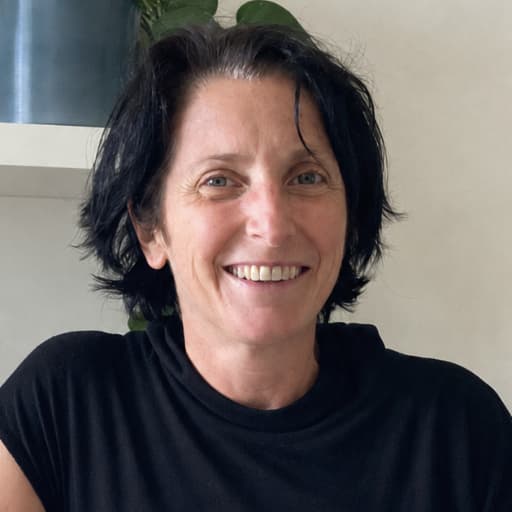
Data Scientist | Python Developer | Author and Instructor
I'm a data scientist, machine learning educator and open-source developer. I've built machine learning models for credit risk, insurance claims and fraud prevention, and I am passionate about helping data scientists build models that hold up in real-world projects. My courses are designed for intermediate and advanced practitioners. They cover feature engineering, feature selection, hyperparameter optimization, imbalanced data and the design of robust machine learning pipelines, with a strong emphasis on techniques you can apply straight away in your own work. In the age of generative AI, when a working model can be coded in minutes, the real skill lies in understanding the methods deeply enough to review that output with rigor and a critical eye, and that's exactly what these courses are built to develop. I'm the creator and maintainer of Feature-engine, an open-source Python library for feature engineering and feature selection used by data scientists worldwide. I'm also the author of three books published by Packt: Python Feature Engineering Cookbook, Feature Selection in Machine Learning, and Imbalanced Data: Myths, Mistakes and Modern Solutions. I speak regularly at conferences and meetups, and I enjoy connecting technical communities with the tools and knowledge they need to succeed. In 2018 I received a Data Science Leaders Award, and in 2019 LinkedIn recognized me as one of its voices in data science and analytics. Before moving into data science, I earned an MSc in Biology and a PhD in Biochemistry, then spent more than eight years as a research scientist at institutions including University College London and the Max Planck Institute. That scientific training still shapes how I teach: rigorous, evidence-based, and focused on understanding why a method works before reaching for it.